
National parks near Lexington, Mississippi
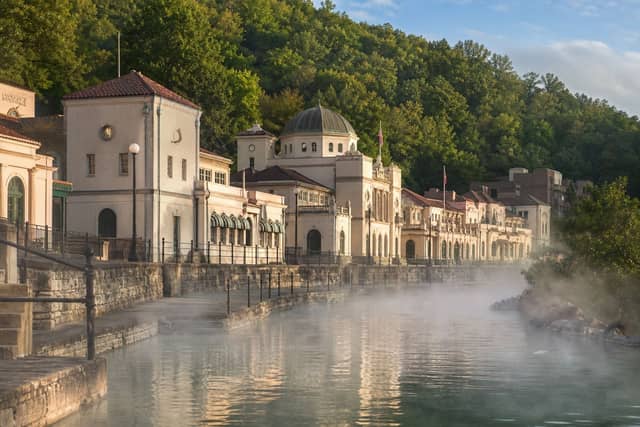
Hot Springs National Park is the closest national park to Lexington, Mississippi — 198 mi (318 km) in a straight line, which works out to roughly 5 hr 8 min behind the wheel.
Hot Springs is better with a night booked nearby.
Lexington has a population of about 1,609.
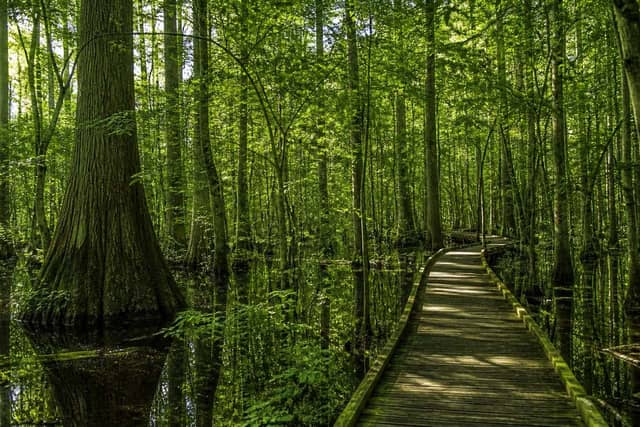
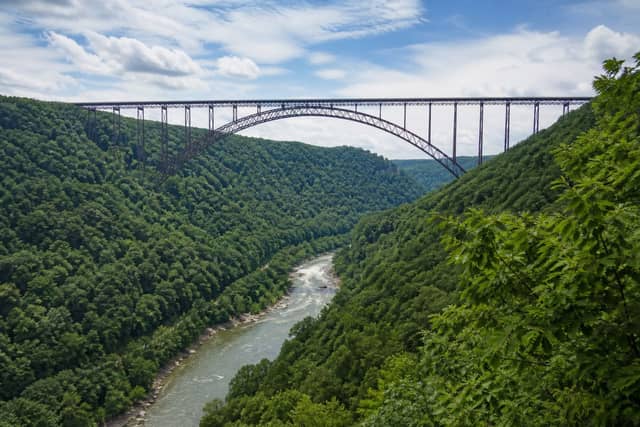
National parks near Lexington
| Park | Straight-line distance | Estimated drive | Realistic trip |
|---|---|---|---|
| Hot Springs National Park | 198 mi (318 km) | 5 hr 8 min | Best as a weekend |
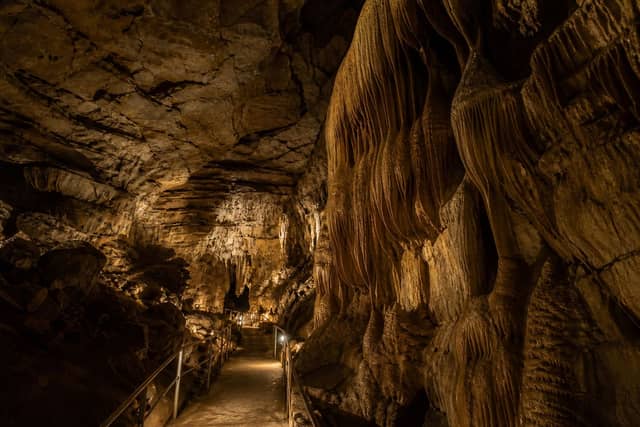
| Mammoth Cave National Park | 359 mi (578 km) | 8 hr 57 min | Worth a longer road trip |
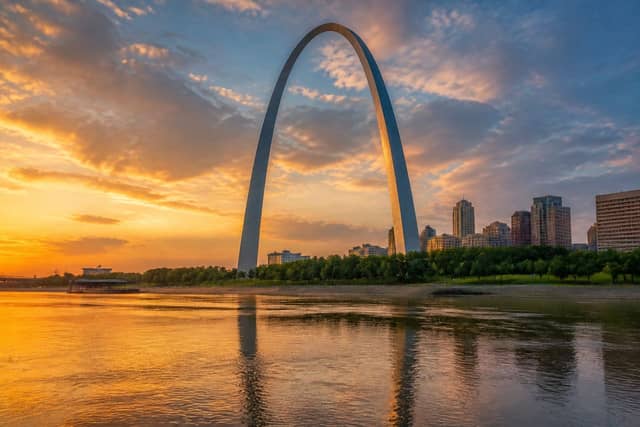
| Gateway Arch National Park | 381 mi (612 km) | 9 hr 27 min | Worth a longer road trip |
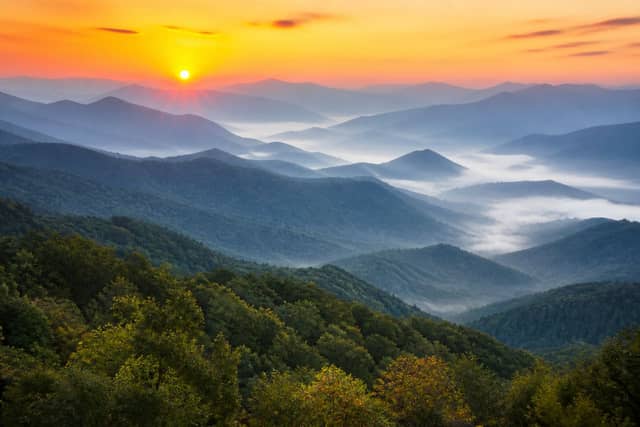
| Great Smoky Mountains National Park | 409 mi (658 km) | 10 hr 8 min | Worth a longer road trip |
| Congaree National Park | 536 mi (863 km) | 13 hr 9 min | Worth a longer road trip |
| New River Gorge National Park | 609 mi (980 km) | 14 hr 52 min | Worth a longer road trip |
| Indiana Dunes National Park | 611 mi (983 km) | 14 hr 55 min | Worth a longer road trip |
| Los Novillos National Park | 694 mi (1116 km) | 16 hr 52 min | Worth a longer road trip |
| Dry Tortugas National Park | 729 mi (1174 km) | 17 hr 42 min | Worth a longer road trip |
| Cuyahoga Valley National Park | 730 mi (1175 km) | 17 hr 44 min | Worth a longer road trip |
What to book before you leave Lexington
| Park | What needs booking | Covers | How |
|---|---|---|---|
| Great Smoky Mountains | Great Smoky Mountains National Park Parking Tag | Parking, not an entrance fee | Timed reservation |
Camping near Lexington
Within reach of Lexington, 51 campgrounds across 8 parks appear on Recreation.gov: 30 at Great Smoky Mountains, 5 at Mammoth Cave, 5 at New River Gorge, and 5 at Indiana Dunes, plus 4 more parks with fewer sites.
Recreation.gov releases most national park campsites six months before the arrival date, at 10:00 a.m. Eastern time. Windows are set per campground, so confirm yours on the Seasons and Fees tab on that campground page.
Once a date is gone, cancellations are the real supply, and they get taken within minutes of appearing.
When to make this trip
Hot Springs National Park is generally best March through May, then September through November, with February and December as the quieter shoulder either side.
Midsummer is hot, humid, and buggy; winter is mild and one of the better times to visit.
Biting insects and afternoon storms dominate summer. Repellent and a rain shell matter more than warm layers.
Seeing more than one
Several parks near Lexington are close enough to each other to combine on one trip, so the drive from home only has to happen once.
| Pair | Apart | Estimated drive |
|---|---|---|
| Mammoth Cave → Great Smoky Mountains | 179 mi (288 km) | 4 hr 41 min |
| Great Smoky Mountains → Congaree | 202 mi (325 km) | 5 hr 14 min |
Planning a trip from Lexington
Distances here are straight-line and the drive estimate adds a road factor on top, but mountain passes and seasonal closures can change it a lot — a route that looks like three hours in June can be shut entirely in February. Confirm road status with the park before you commit to a date.
Other towns in Holmes County
Common questions
What is the closest national park to Lexington?
Hot Springs National Park. It is about 198 mi (318 km) from Lexington, roughly 5 hr 8 min of driving.
Can I do a national park day trip from Lexington?
Not comfortably. The nearest parks are far enough that you will want at least one night away.
How many national parks are near Lexington?
10 parks are within reach of Lexington, 0 of them close enough for a day trip.
Do you need a reservation for the national parks near Lexington?
None of them gate the entrance itself. These requirements are usually seasonal, so check the date you plan to arrive.
Where can you camp near Lexington?
Recreation.gov lists 51 campgrounds at the national parks within reach of Lexington. They are spread across 8 of those parks.
When is the best time to visit the parks near Lexington?
For Hot Springs National Park, the closest one, generally March through May, then September through November. Either side of that, February and December stays quieter.