
National parks in United States
63 national parks in United States, cross-referenced against 15,901 towns and cities so you can start from where you live rather than from a map.
Browse by state
- Pennsylvania
- California
- New York
- Texas
- Illinois
- Florida
- Ohio
- New Jersey
- North Carolina
- Massachusetts
- Michigan
- Wisconsin
- Missouri
- Washington
- Georgia
- Virginia
- Maryland
- Indiana
- Minnesota
- Tennessee
- Kentucky
- Maine
- South Carolina
- Alabama
- Colorado
- Oregon
- Arkansas
- Oklahoma
- Arizona
- Iowa
- Hawaii
- Connecticut
- New Hampshire
- Utah
- Mississippi
- West Virginia
- Louisiana
- New Mexico
- Kansas
- Montana
- Idaho
- South Dakota
- Nebraska
- Vermont
- North Dakota
- Nevada
- Alaska
- Wyoming
- District of Columbia
- Delaware
- Rhode Island
All national parks in United States
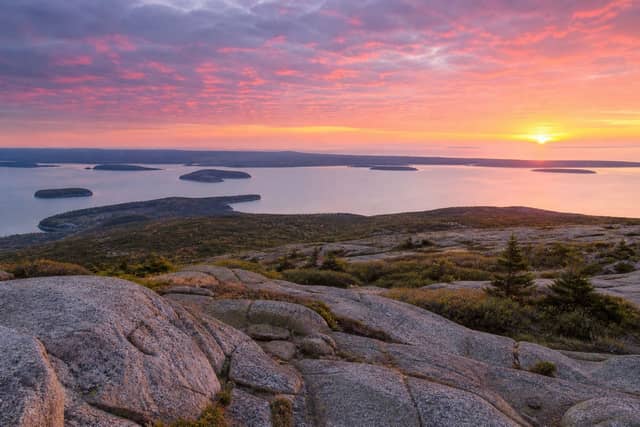
- Acadia National Park
Rocky Atlantic coast and forested hills on Mount Desert Island. Granite shoreline, carriage roads, and a few busy overlooks.
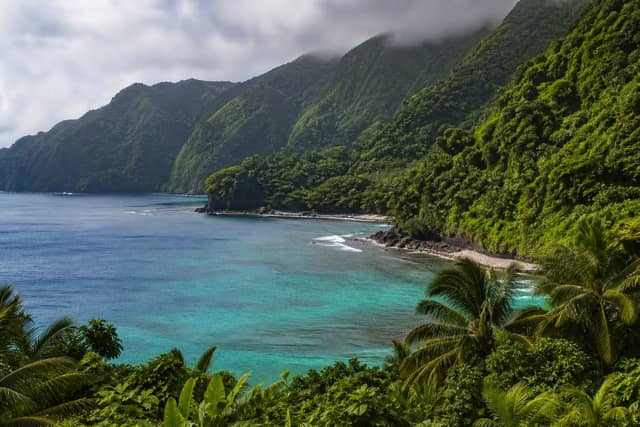
- American Samoa National Park
Tropical rainforest and coral reef on islands in the South Pacific. Remote, humid, and mostly reached by plane and boat.
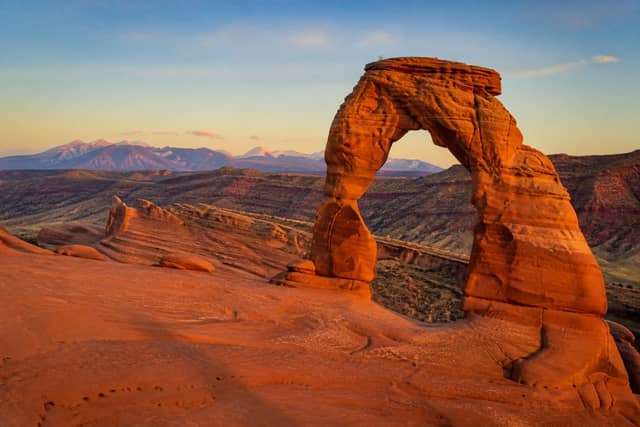
- Arches National Park
Red sandstone fins and natural arches in the Utah desert. Easy to see a lot from short walks near the road.
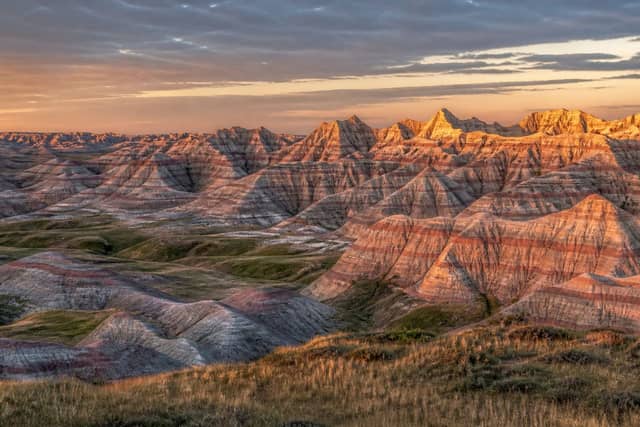
- Badlands National Park
Eroded buttes and mixed-grass prairie in South Dakota. Striped rock layers, open sky, and hot summers.
- Big Bend National Park
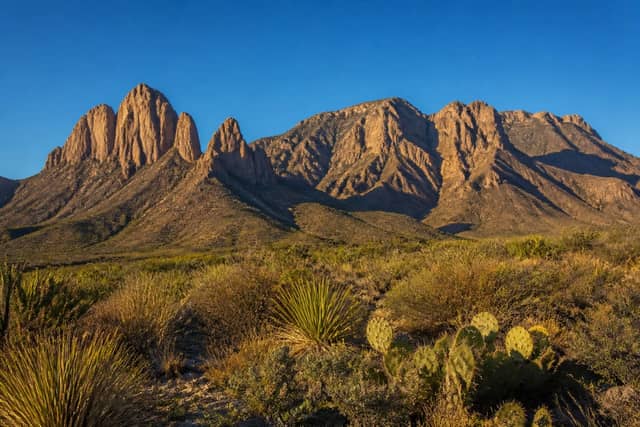
Big desert and mountain country along the Rio Grande in west Texas. Remote, dry, and spread out — expect long drives.
- Biscayne National Park
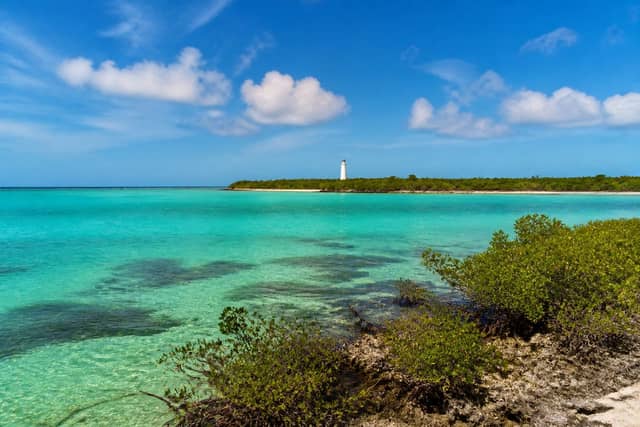
Mostly water: mangrove shoreline and coral reef south of Miami. Best seen by boat or snorkel, not by hiking.
- Black Canyon of the Gunnison National Park
A steep, dark canyon cut by the Gunnison River in Colorado. Narrow rim views; the walls drop away fast.
- Bryce Canyon National Park
Pink and orange hoodoos in a high Utah amphitheater. Short rim walks give you most of the classic views.
- Canyonlands National Park
Wide canyon country where the Green and Colorado rivers meet. Big overlooks, rough roads, and sparse water.
- Capitol Reef National Park
A long wrinkle of colorful rock (the Waterpocket Fold) in Utah. Orchards, cliffs, and quieter than the famous Utah parks.
- Carlsbad Caverns National Park
A large limestone cave system in New Mexico. The big room is the main draw; bats fly out on warm evenings.
- Channel Islands National Park
A chain of islands off southern California. Reach them by boat; expect wind, wildlife, and limited services.
- Congaree National Park
Old-growth floodplain forest in South Carolina. Boardwalks through tall trees and seasonal flooded ground.
- Crater Lake National Park
A deep, clear lake in the collapsed caldera of an old volcano in Oregon. The rim road and overlooks are the usual visit.
- Cuyahoga Valley National Park
A green river valley between Cleveland and Akron. Towpath trails, waterfalls, and a train — more local park than wilderness.
- Death Valley National Park
Hot, dry basin and range in California. Salt flats, sand dunes, and colorful badlands; summers are extreme.
- Denali National Park
A huge Alaska mountain and surrounding tundra. Most visitors see it from the park road; the peak is often in clouds.
- Dry Tortugas National Park
A small island west of Key West with a brick fort and clear water. You get there by ferry or seaplane.
- Everglades National Park
A wide, slow-moving wetland across southern Florida. Sawgrass, mangroves, and wildlife — mosquitoes are part of it.
- Gates of the Arctic National Park
Remote Brooks Range wilderness in Alaska with no roads or trails. Access is by bush plane; travel is self-reliant.
- Gateway Arch National Park
The stainless-steel arch on the St. Louis riverfront, plus a small museum and grounds. An urban national park.
- Glacier National Park
Sharp peaks, lakes, and leftover glaciers in northwest Montana. Going-to-the-Sun Road is the main corridor when open.
- Glacier Bay National Park
Tidewater glaciers and cold coastal waters in southeast Alaska. Most people visit by cruise or tour boat.
- Grand Canyon National Park
A deep canyon carved by the Colorado River in Arizona. South Rim is the busy, easy-access side.
- Grand Teton National Park
A steep mountain wall rising above Jackson Hole in Wyoming. Lakes, valley floors, and short approaches to big scenery.
- Great Basin National Park
A desert mountain park in Nevada with bristlecone pines and a cave. Quiet, high, and far from big cities.
- Great Sand Dunes National Park
Tall sand dunes piled against the Sangre de Cristo mountains in Colorado. You can hike the dunes or splash in seasonal creeks.
- Great Smoky Mountains National Park
Forested Appalachian mountains on the Tennessee–North Carolina line. Busy, green, and known for misty ridges and wildlife.
- Guadalupe Mountains National Park
High desert peaks in west Texas, including the state high point. Dry trails, limestone cliffs, and little shade.
- Haleakalā National Park
A volcanic summit and crater on Maui. Cold and windy at the top; sunrise visits are popular and crowded.
- Hawaiʻi Volcanoes National Park
Active volcanic landscape on the Big Island. Lava fields, craters, and steam — conditions change with eruptions.
- Hot Springs National Park
A small park in Arkansas centered on historic bathhouses and hillside springs. More town-and-spa than backcountry.
- Indiana Dunes National Park
Beaches and sand dunes on Lake Michigan in Indiana. Swim, walk the dunes, and deal with summer crowds.
- Isle Royale National Park
A roadless island in Lake Superior. Ferry or seaplane in; hiking and camping are the point.
- Joshua Tree National Park
Mojave and Colorado desert meeting in southern California. Twisted Joshua trees, boulder piles, and clear night skies.
- Katmai National Park
Volcanic Alaska peninsula country famous for brown bears at Brooks Falls. Access is limited and often by plane.
- Kenai Fjords National Park
Glaciers and steep fjords near Seward, Alaska. Boat tours are how most people see the ice and marine life.
- Kings Canyon National Park
Deep granite canyon and giant sequoia groves in California’s Sierra. Shares a boundary with Sequoia National Park.
- Kobuk Valley National Park
Arctic dunes and river country in northwest Alaska. No roads; visits are rare and usually by air.
- Lake Clark National Park
Mountains, tundra, and coastline across Cook Inlet from Anchorage. Remote; mostly reached by small plane.
- Lassen Volcanic National Park
A volcanic landscape in northern California with hot springs, cinder cones, and a plug-dome peak.
- Mammoth Cave National Park
A long limestone cave system in Kentucky. Ranger tours cover the passages; the surface is rolling woods.
- Mesa Verde National Park
Ancestral Pueblo cliff dwellings on a Colorado mesa. Tours and overlooks explain the sites; stay on designated paths.
- Mount Rainier National Park
A big, glaciated volcano in Washington with meadows and old forest. Weather flips fast; roads and trails depend on snow.
- New River Gorge National Park
A deep river gorge in West Virginia with cliffs, forest, and a big steel arch bridge. Hiking, climbing, and rafting are common.
- North Cascades National Park
Rugged, glaciated peaks in northern Washington. Steep terrain, few services, and lots of trail time.
- Olympic National Park
Three parks in one on Washington’s peninsula: rainforest, mountains, and Pacific beach. Wet weather is normal.
- Petrified Forest National Park
Painted desert and fossilized wood along I-40 in Arizona. Easy roadside stops and short walks.
- Pinnacles National Park
Volcanic rock spires and talus caves east of the Salinas Valley in California. Condors sometimes soar overhead.
- Redwood National Park
Coast redwood forest in far northern California. Tall trees, fog, and state-park stretches mixed into the visit.
- Rocky Mountain National Park
High peaks and alpine lakes west of Denver. Trail Ridge Road crosses the park when snow allows.
- Saguaro National Park
Sonoran Desert outside Tucson with stands of tall saguaro cactus. Best in cooler months; summer heat is serious.
- Sequoia National Park
Giant sequoia groves on the western Sierra slope in California. Big trees, granite, and shared access with Kings Canyon.
- Shenandoah National Park
A long Blue Ridge park in Virginia with Skyline Drive along the crest. Overlooks, hardwood forest, and day hikes.
- Theodore Roosevelt National Park
Badlands and prairie in western North Dakota, split into park units along the Little Missouri River.
- Virgin Islands National Park
Beaches, reefs, and tropical hills on St. John. Snorkeling and short hikes; ferry access from St. Thomas.
- Voyageurs National Park
A water-based park on the Minnesota–Canada border. Lakes, boats, and rocky shoreline — cars only get you so far.
- White Sands National Park
White gypsum dunes in southern New Mexico. Bright, open, and easy to walk a short way into the dunes.
- Wind Cave National Park
A cave under mixed-grass prairie in South Dakota. Cave tours below; bison and prairie dogs on the surface.
- Wrangell–St. Elias National Park
Huge mountain and glacier country in eastern Alaska. Remote roads and towns; scale is hard to grasp from one stop.
- Yellowstone National Park
A large volcanic plateau with geysers, wildlife, and big loops of park road across Wyoming (and bits of Montana/Idaho).
- Yosemite National Park
A granite valley and high Sierra country in California. Waterfalls in spring; valley floors get crowded in summer.
- Zion National Park
A red-rock canyon in southern Utah with a river and steep walls. The main canyon shuttle is the usual way in when it’s running.
Common questions
How many national parks does United States have?
Parks Manager tracks 63 national parks in United States. Each one has a guide page with location, seasonal timing, and how to get there.
How do I find the national parks closest to me in United States?
Pick your state below, then your county and town. Each town page ranks every park by distance and gives a drive estimate.